
How Climate Change is Affecting Tasmania’s Forest Giants
- On 29 / Sep 2025
How Climate Change is Affecting Tasmania’s Forest Giants
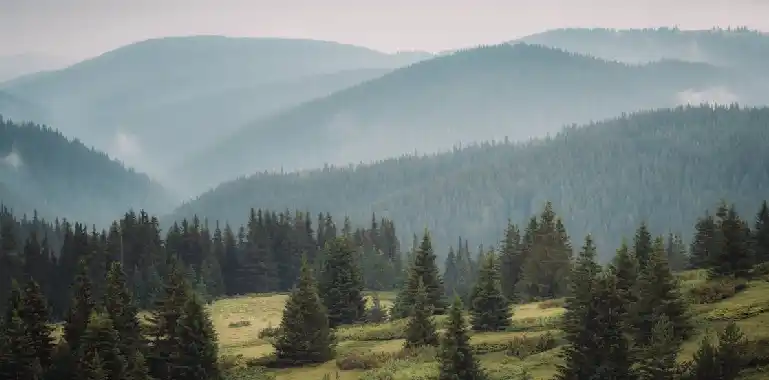
Tasmania is home to some of the world’s tallest and largest trees including the renowned Eucalyptus regnans and the old Huon pines. These trees have stood for millennia quietly altering ecosystems and providing habitat for a varied range of creatures. However they are now facing more serious risks. Climate change is altering rainfall patterns, boosting temperatures and increasing the risk of wildfires. These changes, are altering forests in ways that could permanently alter Tasmania’s natural heritage. Understanding these effects is very important if we wish to preserve the giants for future generations.
- Rising Temperatures and Stress
Warmer temperatures, are placing pressure on Tasmania’s forest giants. Tall trees require a lot of water to survive and rising temperatures promote evaporation, resulting in less moisture in the soil. Stressed trees, are more susceptible to pests and diseases. Over time, this reduces their ability to reach the towering heights that distinguish them.
- Changing Rainfall Patterns
Rainfall in Tasmania, is becoming less predictable, with prolonged droughts followed by torrential downpours. Forests require on consistent rainfall to grow particularly cold temperate rainforests. Drought can deplete soil moisture whilst strong rains can cause erosion and damage to roots. These changes disturb natural growth cycles compromising the general health of huge trees.
- Increased Bushfire Risk
Bushfires are one of the most dangerous climate change related risks. While Tasmania’s woods have always seen periodic fires, hotter and drier circumstances are making them more common and intense. Fires may devastate centuries old giants in hours eradicating habitats that take generations to rebuild. The bushfires demonstrated how susceptible these woodlands are.
- Impact on Wildlife Habitats
Giant trees, are not only natural beauties; they also provide home for a wide variety of species including birds and insects. As climate change impacts forests, ecosystems deteriorate or become unsuitable for the organisms that depend on them. The loss of biodiversity disrupts ecosystem equilibrium, making it more difficult for forests to recover from disturbances.
- Threat to Ancient Trees
One of Tasmania’s giants, the Huon pine can live for thousands of years. These elderly trees, are especially vulnerable to sudden changes in their environment because of their sluggish growth. Fires, increasing temperatures and fluctuating water levels can all cause them to be permanently damaged or destroyed. Living connections to Earth’s rich past would be lost if these ancient survivors disappeared.
- Can Conservation Efforts Help?
Fortunately, conservation initiatives are attempting to lessen the effects of climate change on Tasmania’s forests. Important actions include minimising fire hazards, planting native trees and preserving old age forests. We can increase these giants’ chances, of surviving the challenges that lie ahead by integrating research and community engagement.
Wrapping Up
Tasmania’s giant trees are facing some of their toughest challenges in history. Their survival is threatened by a variety of factors, including rising temperatures, erratic rainfall, a higher risk of fire, and declining habitats. But there is still hope. These giants can continue to astound future generations if conservation efforts are strengthened and global climate change action is taken. Preserving the core of Tasmania’s wild legacy is more important than merely conserving trees.
Latest Post
A Guide to Tasmania’s Tallest Trees: Where to Find the Giants of the Forest
Tasmania’s forests are home to some of the tallest and... more...
A Visitor’s Guide to the Styx Valley of the Giants
The Styx Valley, in southern Tasmania, contains some of the... more...
The Role of Old Growth Forests in Preserving Wildlife
Tasmania are home to massive trees, a diverse plant life... more...Explore and learn about Tasmania’s tallest and most massive trees. Discover iconic forests, ancient giants, and tips for sustainable visits.
hidden heading
Copyright© 2026 Tall Trees Tasmania. All right reserved.