
The Role of Old Growth Forests in Preserving Wildlife
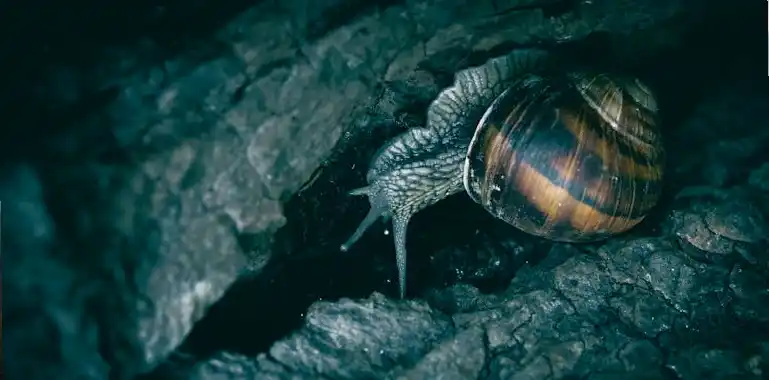
- On 29 / Sep 2025
The Role of Old Growth Forests in Preserving Wildlife
Tasmania are home to massive trees, a diverse plant life and an abundance of wildlife. Unlike younger woods, they take generations to establish their distinguishing characteristics. Their towering canopies, hollow logs and complicated strata provide habitat for creatures that cannot live anywhere else. Old growth forests provide food, shelter and breeding sites for a variety of species, including rare birds and microscopic insects. Protecting these forests means protecting the creatures that rely on them.
- What Makes Them Unique?
Old growth forests are different from plantations or regrowth forests because of their age and complexity. They have gigantic, centuries old trees amid fallen logs, mosses and vegetation. These features provide a natural network in which plants, fungus, and animals can interact. The forests are stable and resilient; sustaining species that cannot adapt to disturbed environments. Their distinctiveness stems from this balance, which was achieved gradually over time.
- Homes for Rare Species
Many rare and endangered species rely on Tasmania’s old growth forests. The masked owl and forty spotted pardalote nest in the hollows of huge eucalyptus trees. Bats and gliders seek cover in tree cavities, while Tasmanian devils feed on the forest floor. Amphibians flourish in chilly, damp undergrowth while peculiar insects feed on decaying wood. Without these woodlands, such species may perish forever.
- Food and Shelter Sources
Old growth forests provide an endless cycle of nourishment and protection. Fallen leaves and rotting wood nourish fungi and insects, which in turn feed birds, reptiles, and mammals. The multi-layered canopy provides cover at all levels; small mammals nest in shrubs, while parrots and owls reside high above. This multilayer arrangement enables numerous animals to coexist without rivalry.
- Protecting Ecosystem Balance
These forests maintain ecological balance by supporting predators and prey together. Owls keep rodent numbers in check, while insects pollinate plants that sustain herbivores. Removing old growth disrupts this cycle, resulting in instability. Some species may become extinct while others overpopulate. Maintaining these balanced systems is critical for forest health and the species that relies on them.
- Helping Climate and Water Cycles
Old growth forests are extremely important to Tasmania’s climate and water systems. Their dense canopy traps carbon delaying global warming. Roots hold dirt and regulate rivers, keeping them safe for fish and amphibians. By conserving forests, we protect the life giving cycles that sustain animals well beyond the forest.
- Why Conservation Matters
Once an old growth forest is destroyed it will not be rebuilt in our lifetimes. A Huon pine can live for thousands of years and its environment cannot be replaced fast. Conservation strategies such as establishing protected areas, limiting logging, and increasing ecotourism are critical. Preserving old growth ensures Tasmania’s distinctive fauna thrives and future generations can appreciate its diversity.
Wrapping Up
Old growth forests are far more than just picturesque scenery; they represent the foundation of Tasmania’s biodiversity. Their ancient trees, diverse ecosystems, and natural balance support species that exist nowhere else. By safeguarding these unique forests, we protect numerous types of life while also maintaining Tasmania’s ecological heartbeat. We all share responsibility for their safety.
Latest Post
A Guide to Tasmania’s Tallest Trees: Where to Find the Giants of the Forest
Tasmania’s forests are home to some of the tallest and... more...
A Visitor’s Guide to the Styx Valley of the Giants
The Styx Valley, in southern Tasmania, contains some of the... more...
How Climate Change is Affecting Tasmania’s Forest Giants
Tasmania is home to some of the world’s tallest and... more...Explore and learn about Tasmania’s tallest and most massive trees. Discover iconic forests, ancient giants, and tips for sustainable visits.
hidden heading
Copyright© 2026 Tall Trees Tasmania. All right reserved.