
Giants & Species
Centurion: The Tallest Tree
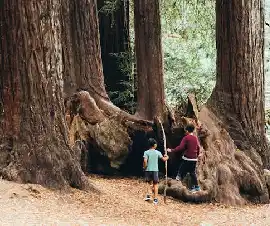
Centurion, is the tallest tree in Tasmania and the world's highest flowering plant. This massive Eucalyptus regnans tree is over 100 metres tall in the woodlands of southern Tasmania. Centurion, discovered in 2008, represents Tasmania's natural wonders and is a must see for tree enthusiasts. Because of its enormous size and height, it is one of the largest trees in the world, drawing attention from scholars, environmentalists, and those who simply want to be in awe of it.
Icarus Dream: Another Giant Eucalyptus
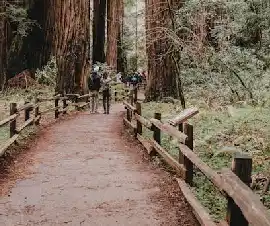
Icarus Dream is another towering Eucalyptus regnans that reaches amazing heights, nearly matching Centurion's record. It is located in Tasmania's southern woodlands and demonstrates how the region's environment promotes remarkable growth. While not as well known as Centurion; Icarus Dream is nonetheless a revered figure, among tree enthusiasts. Its smooth ascent into the sky, makes it a magnificent sight for anybody experiencing Tasmania's bush. This tree exemplifies the unusual ability of eucalyptus species to attain amazing heights under proper conditions.
The Big Tree of Styx Valley
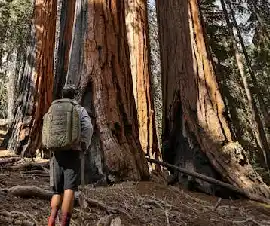
The Styx Valley, nicknamed as the "Valley of the Giants," is home to some of Tasmania's largest trees. The Big Tree, a Eucalyptus regnans is known for its massive girth, which requires many persons to encircle its trunk. Visitors usually come here to see the scale of these monsters up close. The Styx Valley emphasises Tasmania's importance as a global haven for tall trees, offering an immersive forest experience that will leave every visitor in awe of nature's splendour.
The Big Tree of Styx Valley
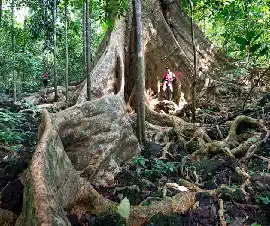
The Styx Valley, nicknamed as the "Valley of the Giants," is home to some of Tasmania's largest trees. The Big Tree, a Eucalyptus regnans is known for its massive girth, which requires many persons to encircle its trunk. Visitors usually come here to see the scale of these monsters up close. The Styx Valley emphasises Tasmania's importance as a global haven for tall trees, offering an immersive forest experience that will leave every visitor in awe of nature's splendour.
Ancient Huon Pine
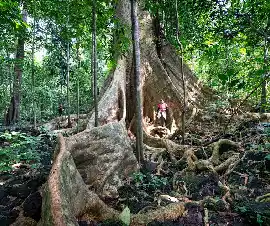
The Huon Pine is one of the world's oldest living trees with some believed to be over 2,000 years old. These slow growing giants which may be found primarily along rivers in western Tasmania, are valued for their amazing age and beauty. Their fine grained timber was highly sought for shipbuilding, but is now protected. Standing besides a Huon Pine creates a sense of timelessness as if you are interacting with Earth's profound history. They really are Tasmania's ancient protectors.
Eucalyptus regnans: The Mountain Ash
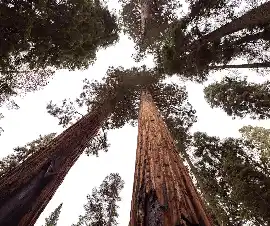
Eucalyptus regnans sometimes known as Mountain Ash, is Tasmania's most famous tree species. As the world's tallest flowering plant, it thrives in the island's cold, moist forests and can reach heights of more than 90 metres. These trees generate towering canopies that dominate Tasmania's landscape, providing habitat for numerous birds and animals. The Mountain Ash which grows quickly and majestically is both a scientific marvel and a sight to behold for visitors. It defines Tasmania's status as having the world's highest hardwood forests.
King Billy Pine
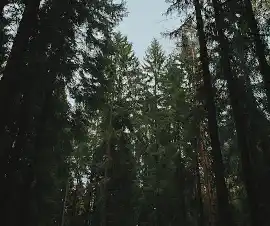
The King Billy Pine is a slow growing conifer uniqu¬e to Tasmania’s highlands. While not as tall as eucalyptus trees, it is regarded for its age and resilience. These trees can survive for more than a thousand years, and their reddish timber was previously highly valued by early settlers. Today, King Billy Pines are protected and serve as living reminders of Tasmania's environmental past. Their twisted, characterful forms contribute to the diversity of Tasmania's woodlands, making them a species with quiet significance.
Myrtle Beech
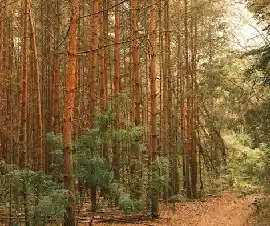
Myrtle beech is an important species in Tasmania's cold temperate rainforests. With its rich green canopy and moss covered trunks, it creates some of the island's most stunning woodland scenes. While not the tallest, it is very important to the rainforest ecology because it provides habitat for species and enriches the forest floor with nutrients. Myrtle Beech trees frequently grow with sassafras and ferns bringing colour and liveliness to Tasmania's wilderness. They provide tourists with a view into the rainforest's vast biodiversity.
Tasmanian Sassafras
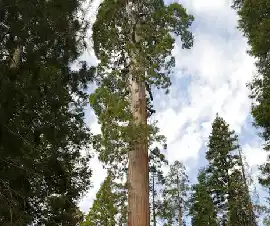
Tasmanian Sassafras is another significant rainforest plant, distinguished by its light bark and aromatic wood. It thrives in shady, wet woodlands and makes a dramatic contrast to darker green canopy. Sassafras contributes significantly to Tasmania's forest variety, supporting insects, birds and understory plants. While smaller than the giants, it contributes character and balance to the rainforest ecology. Visitors usually notice its unusual appearance which adds to the appeal of Tasmania's cold temperate rainforests and their layered beauty.
Explore and learn about Tasmania’s tallest and most massive trees. Discover iconic forests, ancient giants, and tips for sustainable visits.
hidden heading
Copyright© 2026 Tall Trees Tasmania. All right reserved.