
A Visitor’s Guide to the Styx Valley of the Giants
- On 29 / Sep 2025
A Visitor’s Guide to the Styx Valley of the Giants
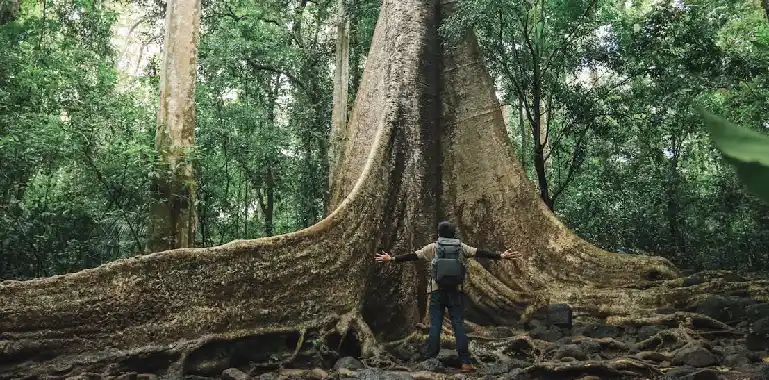
The Styx Valley, in southern Tasmania, contains some of the world’s tallest and most gigantic trees. Known as the “Valley of the Giants,” it is a magnificent site where visitors can stroll among ancient Eucalyptus regnans and other towering species. The woodland is abundant with species and provides a peaceful, immersing experience in nature. Whether you are a nature lover, photographer, or someone seeking tranquility, Styx Valley provides unforgettable encounters. This guide will help you explore the valley responsibly and make the most of your visit.
- How to Get There
The Styx Valley is about a two to three hour drive from Hobart. Visitors can navigate well marked roads to parking areas near walking paths. There are minimal public transportation alternatives, however guided tours are available. It is advisable to begin early in the day to enable enough of time to explore the forest and enjoy the surroundings without rushing. Maps and GPS equipment are useful, but the signs along major routes are straightforward and easy to follow.
- Best Walking Trails
The valley has various walking trails appropriate for all skill levels. The Giant Tree Walk is a famous short circle that allows tourists to go up close to some of the tallest trees. For a lengthier journey; the Styx River Trail crosses gorgeous streams and has both towering giants and lush vegetation. Trails are tidy however certain trails might get muddy after rain, so sturdy footwear is recommended. Walking slowly gives you time to notice different flora, fungus and creatures along the path.
- What Wildlife to Expect
The Styx Valley is home to a broad range of species. Common birds include the pink robin and the green rosella, while mammals like wallabies and possums live on the forest floor. You might even see the endangered Tasmanian devil in remote locations. Insects and amphibians flourish in moist conditions, contributing to a healthy ecosystem. Observing wildlife from a respectful distance protects them and enriches the pleasure of being in a natural, unspoilt area.
- Seasonal Tips for Visitors
Each season, provides a unique experience in the Styx Valley. Summer provides longer daylight hours and higher temperatures, perfect for long excursions. Autumn offers a bright woodland floor with fallen leaves ideal for photography. Winter is hazy and lovely, but colder and wetter necessitating warm waterproof clothes. Springtime brings blossoming undergrowth and bustling fauna. Planning your vacation, around seasonal highlights guarantees that you see the valley at its best.
- Responsible Tourism Guidelines
Protecting Styx Valley’s giants is critical. Always follow indicated routes to prevent damage roots and sensitive undergrowth. Don’t carve or touch tree bark unless absolutely necessary and avoid selecting vegetation. To respect wildlife take all litter with you and keep the noise level low. Following these basic recommendations helps to maintain the valley’s natural beauty and guarantees that future visitors have the same breathtaking experience.
Wrapping Up
The Styx Valley of the Giants is a must see attraction for anybody visiting Tasmania. Its towering trees, diverse wildlife and tranquil setting distinguish it as a one of a kind natural treasure. Visitors may fully appreciate, the valley’s magic while also helping to conserve it for future generations by planning ahead of time exploring properly and respecting nature. Every visit provides an opportunity to experience nature at its finest and connect with one of Tasmania’s most stunning settings.
Latest Post
A Guide to Tasmania’s Tallest Trees: Where to Find the Giants of the Forest
Tasmania’s forests are home to some of the tallest and... more...
The Role of Old Growth Forests in Preserving Wildlife
Tasmania are home to massive trees, a diverse plant life... more...
How Climate Change is Affecting Tasmania’s Forest Giants
Tasmania is home to some of the world’s tallest and... more...Explore and learn about Tasmania’s tallest and most massive trees. Discover iconic forests, ancient giants, and tips for sustainable visits.
hidden heading
Copyright© 2026 Tall Trees Tasmania. All right reserved.